In an age where social media claims to be a great connector, one would assume that all voices—especially those from marginalised groups—would find a platform. Yet, for lesbians, simply using the word “lesbian” in hashtags often leads to a shadowy corner of the internet, hidden by algorithms that mistake identity for obscenity. For a community that has faced erasure and silencing for decades, this limitation feels like another layer of censorship. How are we supposed to find each other, build communities, and amplify our voices when social media platforms penalise us for simply being ourselves?
While social media platforms proudly flaunt their support for Pride Month and LGBT+ causes, they rarely address the less visible barriers they impose year-round. The issue of lesbian-specific hashtags being flagged, deprioritised, or even outright banned on some platforms remains largely ignored, unacknowledged, and uncorrected. For lesbians, this bias against our very identity is more than an inconvenience; it is an erasure that has real implications for connection, community, and representation.
At the heart of this issue is the notorious social media algorithm—a powerful but often invisible entity that determines what content is seen and what remains hidden. Unfortunately, due to the high incidence of past misuse of terms like “lesbian” by pornographic accounts or those seeking to objectify lesbians, platforms have developed algorithms that flag and deprioritise content containing this term. Lesbians are punished by social media platforms for behaviour that was conducted by perverted men.
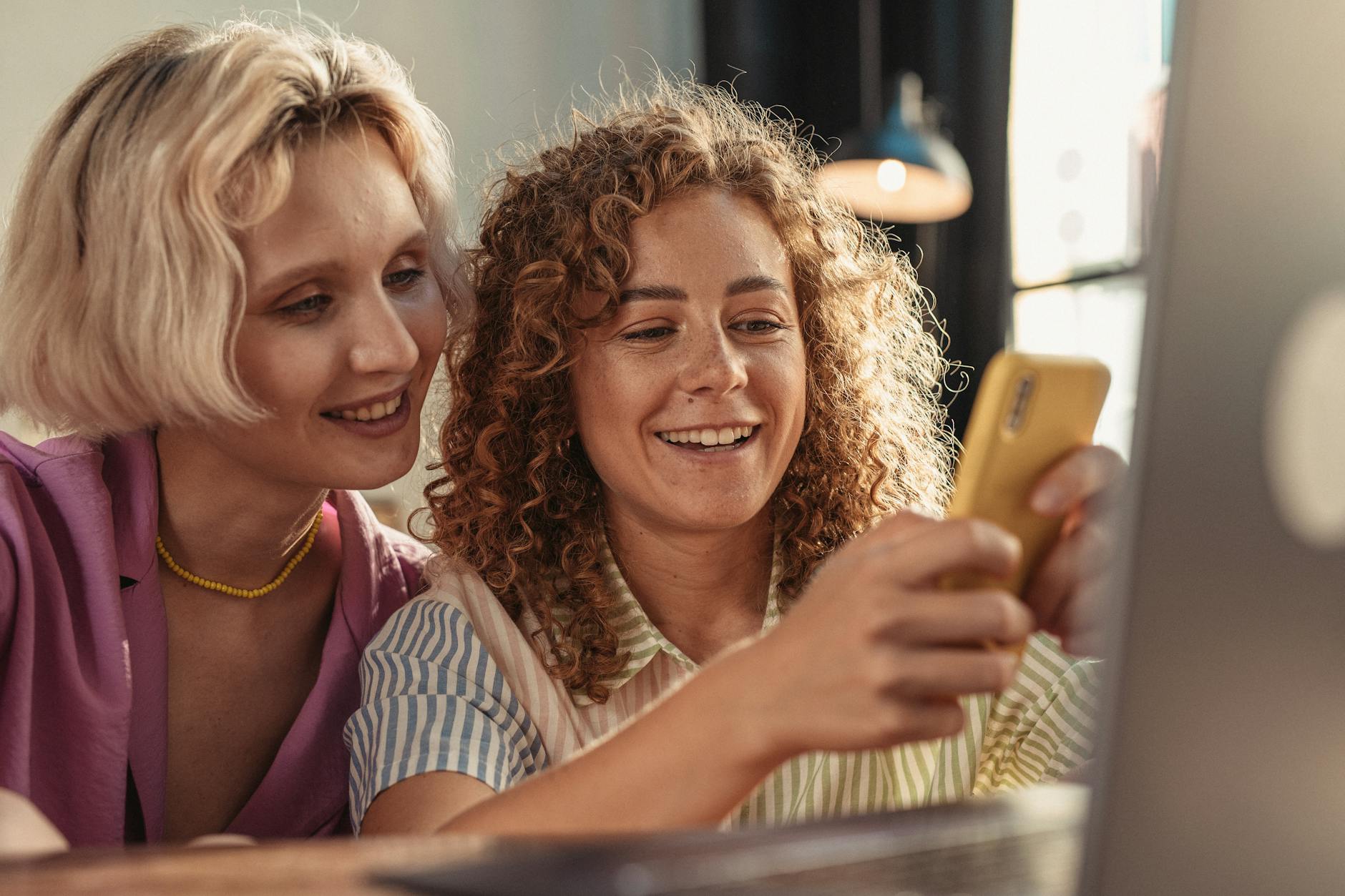
Imagine the frustration of a young lesbian seeking community, resources, or role models, only to find that the content they search for is unusually sparse or hidden. When a platform consistently flags or downplays posts that use the word “lesbian,” it silences a community that already battles for visibility in the broader world. Algorithms don’t differentiate between empowerment and exploitation, and because of this, they often hinder voices that desperately need amplification.
Social media platforms were once seen as a sanctuary for marginalised voices, but this particular issue highlights the gap between promise and practice. The ability to connect, find community, and share experiences with others like us is critical—especially for lesbians who may live in areas where their rights and freedoms are limited or nonexistent. For some, social media may be the only accessible “safe space,” a place to find friends, partners, and a sense of belonging.
When the platform’s algorithm penalises users for using identity-based terms, it pushes people out of sight and limits the potential for connection. If lesbians can’t even use the word “lesbian” without risking their reach or engagement, then what chance do we have at finding each other in the vastness of social media? For young lesbians especially, who may be navigating their identities alone, this suppression exacerbates isolation, impacting mental health and self-acceptance. It robs people of the chance to see themselves reflected in the world around them.

To navigate this algorithmic bias, many lesbians have had to resort to self-censorship. Instead of using “lesbian,” some opt for euphemisms or acronyms like “WLW” (women loving women) or “Sapphic” to avoid triggering the algorithm. While these terms are useful, they are often broader and may not feel as personally resonant. Additionally, the need to constantly adapt one’s language to fit within the rules of the algorithm creates a barrier to authenticity and self-expression. Why should lesbians have to hide their identity or reframe it to suit the preferences of a machine?
When platforms penalise users for using terms central to their identity, they contribute to a broader culture of erasure and invisibility. Social media companies need to recognise the difference between protecting users from explicit content, that is, as earlier stated primarily posted by heterosexual men, and silencing voices. By failing to refine their algorithms to understand this nuance, they are indirectly promoting a culture where lesbians are forced to hide their identity, stifling their ability to engage openly and freely.
As covered previously by Restless Violets Magazine, social media platforms will happily allow content that seeks to fetishise the corrective rape of lesbians, as well as all types of lesbian erasure and degradation, but lesbians talking about their own experiences and realities is not allowed. According to social media bosses, discussion and excitement at our rape is better than us socialising or connecting.
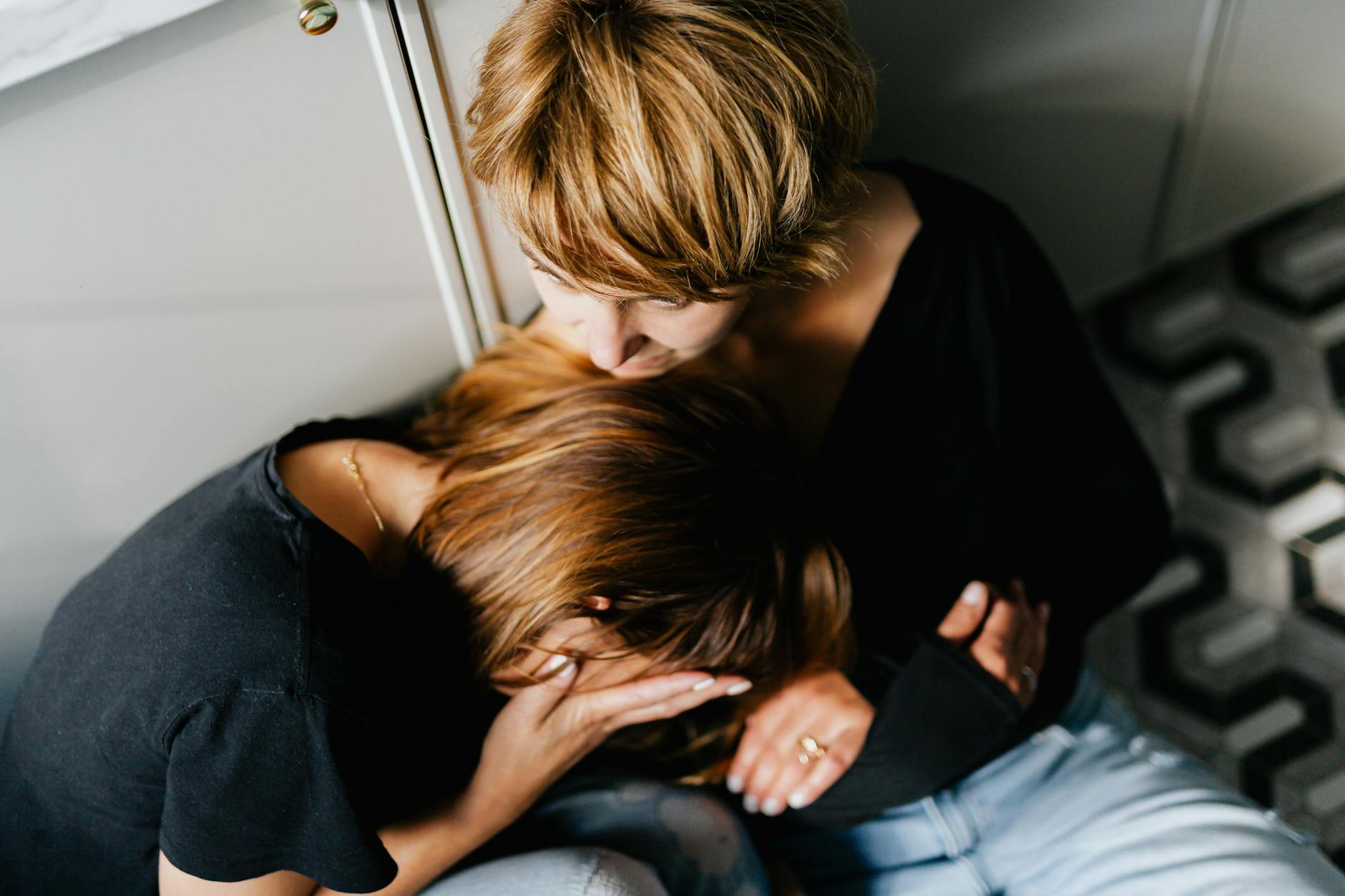
It’s time for social media platforms to address this problem openly. This begins with transparency: acknowledging the limitations and biases of their current algorithms, particularly when it comes to marginalised identities. Platforms like X (formerly Twitter), Instagram, and Tiktok must listen to the lesbian communities they claim to support one month a year, and take real steps to correct these issues. This could mean developing more nuanced algorithms that allow for context in content moderation or implementing clearer feedback systems for users who believe they are unfairly flagged.
Beyond technical adjustments, these companies need to prioritise empathy and actively include voices from within the lesbian community in their content policy decisions. Working with lesbian activists, creators, and community leaders would provide them with the insight necessary to create a safer, more inclusive digital space. As social media platforms have the power to shape culture and connection, it is imperative that they recognise the significance of every voice.
In a world where we are still fighting to be seen, heard, and respected, social media should be an ally, not an adversary. Until platforms prioritise fair representation and true inclusivity, the promise of a global community remains unfulfilled, and lesbians will continue to face the silence imposed by an algorithm that refuses to say our name.
Taylor is a Gen Z writer whose work explores self discovery, alienation, and the complexities of modern lesbian life. Born and raised in Alabama, Taylor is studying Journalism and Media Studies, and hopes to work in LGBT+ media full time in the future.


Leave a comment